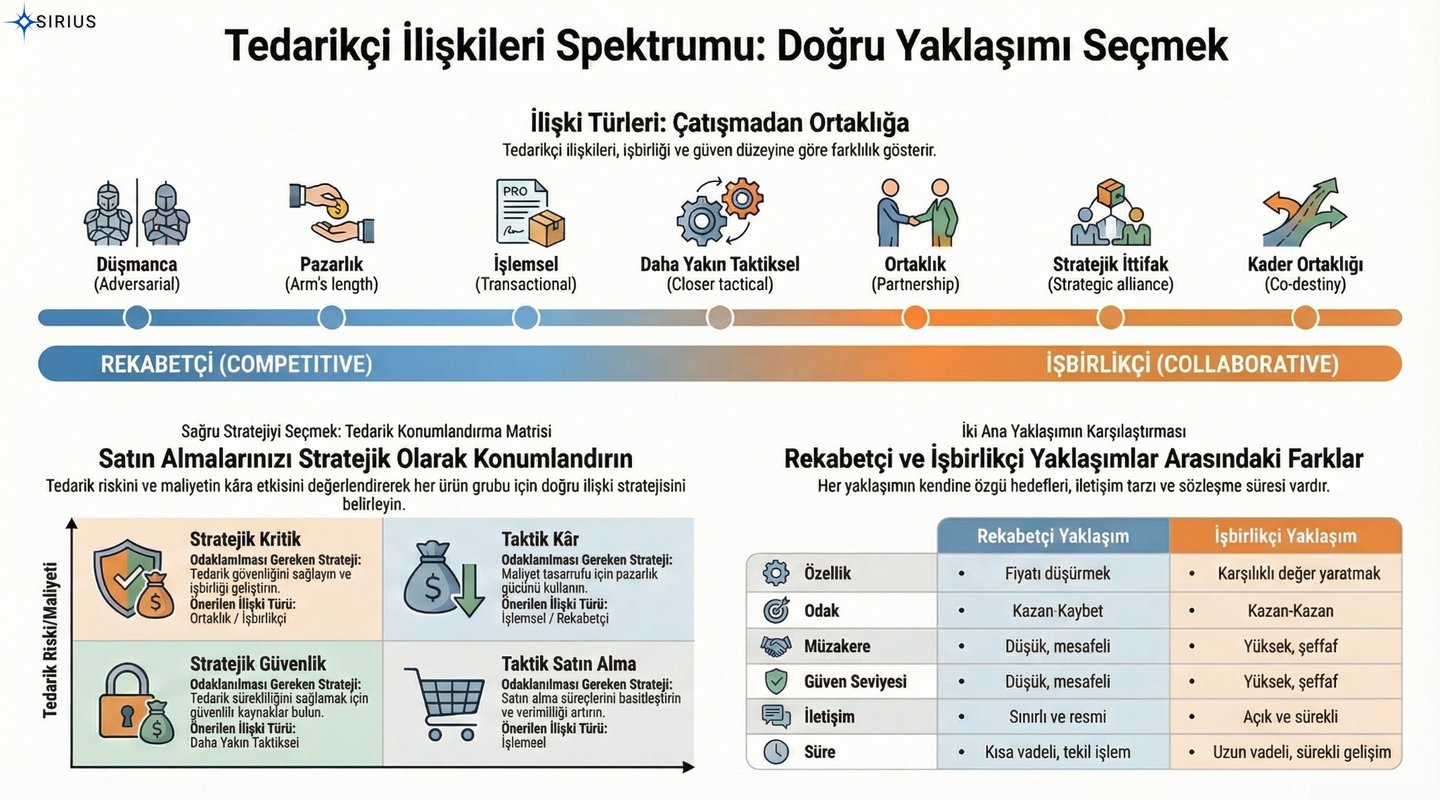
Supplier Relationship Management
Learning Outcomes – Training on Supplier Relationship Management
Participants completing this training will be able to:
1. International Supply Contracts and Risk Management
Explain the strategic benefits of international supply contracts, including cost, quality, economies of scale, and market access.
Classify key risks in international sourcing, such as currency, legal, cultural, political, and logistics risks.
Interpret how Incoterms (EXW, FOB, CIF, DDP, etc.) affect risk and responsibility allocation.
Explain how currency risk can be managed using forward contracts, payment timing, and other tools.
Evaluate when and why international payment methods, such as letters of credit, are used to reduce payment risk.
2. Supplier Development and Relationship Strengthening
Define supplier development, its objectives, and strategic importance.
Compare key approaches used in supplier development, including communication, performance improvement, investment, and training.
Explain the role of Cross-Functional Teams (CFTs) for critical suppliers.
Analyze the benefits of supplier development for both buyer and supplier.
Interpret the impact of Early Supplier Involvement (ESI) and incentive/penalty mechanisms on relationship performance.
3. Multi-Tier Supply Chains
Define multi-tier supply chain structures and OEM–Tier 1–sub-tier relationships.
Explain the strategic role and responsibilities of Tier 1 suppliers.
Justify why a tiered approach is used, such as focus, resource constraints, or reducing the number of relationships.
Assess the control and quality risks created by multi-tier structures.
Explain why Open Book Costing and “drilling down” approaches are critical.
4. Supplier and Relationship Performance Measurement
Explain why supplier performance must be measured systematically.
Interpret how SLAs and KPIs should be structured for product and service delivery.
Evaluate the contribution of the Voice of the Customer (VoC) approach to supplier performance.
Analyze the effect of supplier satisfaction on relationship sustainability.
Apply the Leenders Relationship Satisfaction Model to select appropriate management tools (e.g., crunch vs. stroking).
Explain the connection between Kaizen and TQM approaches and continuous improvement.
5. Contract Termination and Professional Management
Classify reasons for ending supplier relationships from strategic and operational perspectives.
Distinguish between termination, cancellation, and force majeure clauses in contracts.
Explain how to manage legal risks during termination processes.
Evaluate the importance of constructive termination management for reputation, learning, and future collaboration.
Explain how to apply a relational approach using constructive feedback, mediation, and improvement objectives.
Overall Competency Gains
Treat supplier relationships not just as commercial transactions but as strategic assets.
Approach risk, performance, relationship, and termination issues from a full supplier lifecycle perspective.
Make more balanced, professional, and sustainable supply decisions in real-world scenarios.